
Independent Living Home Maintenance and Safety Walk-Through Checklist
How to run a monthly maintenance and safety walk-through for an independent living home or shared housing: California habitability standards, smoke alarms, repair logs and written entry notice.
By Joseph Surgeon, founder of Royalty Group Homes, who runs independent living homes in Oceanside, California. · 10 min read
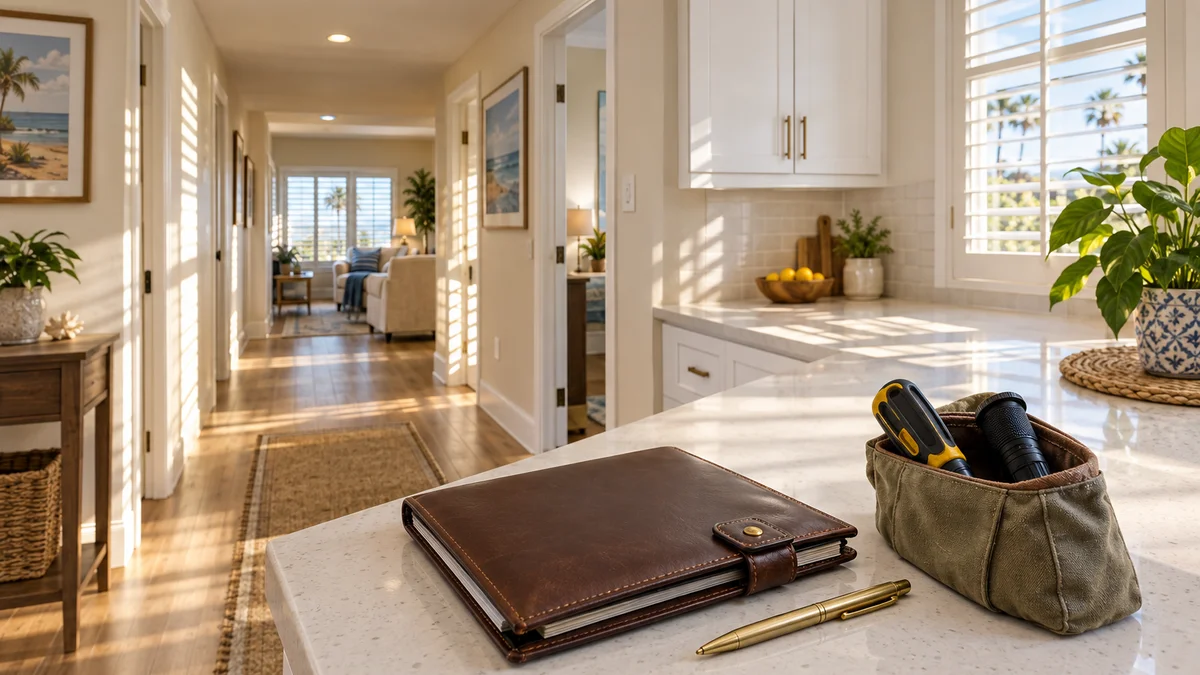
In an independent living home or shared house, several adults share the same kitchen, bathrooms, hallways and laundry every day. Small maintenance issues — a slow drain, a loose door latch, a chirping smoke alarm — wear on housemates much faster in a shared home than in a single-tenant apartment. A 30-minute monthly walk-through catches those problems early and keeps the house calm, safe and habitable.
A note on scope. An independent living home rents rooms or beds to adults who live on their own, with no care. In California, many, if not most, such homes do not need a state license. Building maintenance and habitability checks are ordinary housing duties, not care or supervision.
What are the legal habitability standards in California?
Under California Civil Code Section 1941, a housing provider must put a building intended for human occupation in a condition fit for occupation and repair subsequent dilapidations that render it untenantable. California Civil Code Section 1941.1 spells out the core systems that must stay in working order: weatherproofing, plumbing, hot and cold running water, heating, electrical lighting, clean grounds and trash cans, and safe floors, stairs and railings.
Building your monthly walk-through around those exact categories ensures your checklist matches what state housing law requires.
What belongs on the monthly maintenance and safety walk-through?
Walk the house in the same five-part order on the first Saturday of each month, and check every item off on a dated sheet.
1. Smoke alarms and clear exits
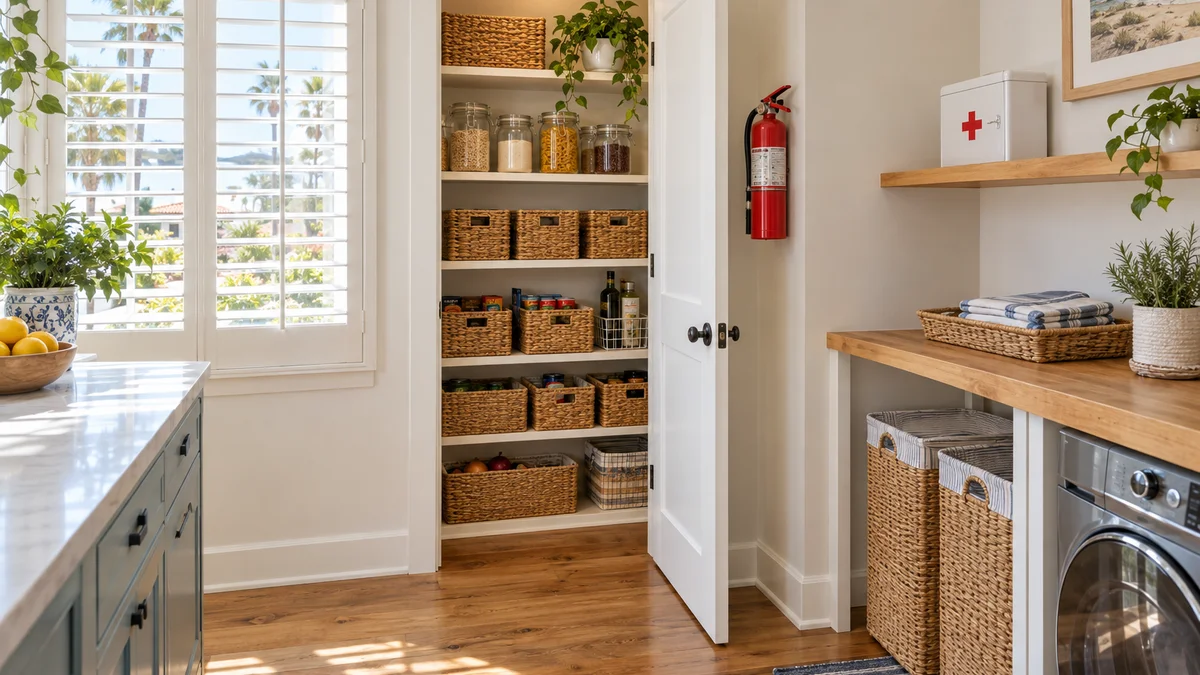
What to inspect and log: Test smoke alarms, check fire extinguishers, and confirm hallways, bedrooms and exterior doors open freely without clutter
2. Plumbing and hot water
What to inspect and log: Check under kitchen and bathroom sinks for leaks, test hot water and drain speed, and inspect toilets and shower caulking
3. Heating, cooling and electrical
What to inspect and log: Replace HVAC filters as needed, test thermostat and heating, check GFCI outlets in kitchen and baths, and replace burned-out bulbs
4. Windows, doors and locks
What to inspect and log: Check window latches and screens, exterior deadbolts, bedroom door hardware, and weatherstripping
5. Kitchen, laundry and grounds
What to inspect and log: Clean dryer lint trap and vent hose, check refrigerator seals and temperatures, inspect outdoor walkways and lighting, and verify covered trash bins
How do smoke alarm rules and room entry notice work?
Under California Health and Safety Code Section 13113.7, dwellings intended for human occupancy must have State Fire Marshal-approved smoke alarms, and the owner of a rented dwelling is responsible for testing and maintaining them and making sure they are operable whenever a new tenancy begins. Residents are required to notify the owner or manager if an alarm becomes inoperable, and the owner must correct reported deficiencies.
Whenever a maintenance check or repair requires stepping inside a resident's room, follow the written notice rules in California Civil Code Section 1954 and Health and Safety Code Section 13113.7: give reasonable written notice (24 hours is presumed reasonable), state the date, approximate time and purpose, and enter during normal business hours unless there is an emergency or the resident agrees at the time.
How should residents report repairs between walk-throughs?
A monthly check catches wear and tear, but residents also need one simple way to report something that breaks on a Tuesday night. Put the repair-reporting rule in your house rules and review it during resident intake.
Three-tier response priority
- Urgent habitability or safety issues (active water leak, no hot water, no heat, broken exterior lock, non-working smoke alarm): respond the same day.
- Shared-appliance or fixture repairs (slow bathroom drain, washer issue, burner not lighting): schedule within 48 to 72 hours and post a note so housemates know help is on the way.
- Cosmetic touch-ups (scuffed paint, sticking cabinet drawer): log for the next monthly walk-through or room turnover.
Save every repair request, completion date and vendor receipt. The IRS requires small businesses to keep records and receipts that support the expenses reported on their tax returns, and a dated repair log also shows referral partners and city inspectors that the home is professionally run.
How do you keep houses, beds and records organized in one place?
When you know exactly which beds are occupied, who moved in when, and how each house is performing on your rent ledger, routine maintenance stops feeling like a fire drill. Royalty Group Homes gives you a live bed board, resident roster and monthly rent ledger for every house in your portfolio.
Your first house is free with every feature; two or three houses are $99 a month, and four or more are $199 a month.
Frequently asked questions
What should a monthly maintenance checklist cover in an independent living home?
Check five areas in the same order each month: smoke alarms and clear exits, plumbing and hot water in shared bathrooms and the kitchen, heating and electrical outlets and lighting, windows, doors and locks, and outdoor trash bins and walkways. Log the date, what was checked, and any repair needed.
Who is responsible for testing smoke alarms in a California shared home?
Under California Health and Safety Code Section 13113.7, the owner of a rented dwelling is responsible for testing and maintaining required smoke alarms and making sure they are operable when a new tenancy begins. Residents must notify the owner or manager if an alarm becomes inoperable.
How much notice do I need to give before entering a resident's room for a repair or smoke-alarm test?
In California, both Civil Code Section 1954 and Health and Safety Code Section 13113.7 require reasonable written notice before non-emergency entry, during normal business hours, stating the date, approximate time and purpose. Twenty-four hours is presumed reasonable notice.
What makes a residential home habitable under California law?
California Civil Code Section 1941.1 lists minimum habitability requirements, including effective weatherproofing and unbroken windows and doors, working plumbing and gas facilities, hot and cold running water, safe heating, working electrical lighting and wiring, clean grounds and trash receptacles, and safe floors, stairways and railings.
Does running a monthly safety walk-through make my home a licensed care facility?
No. Checking smoke alarms, plumbing, locks and shared spaces is property maintenance required of residential housing providers, not personal care or supervision. Keep your walk-through focused on the building and shared rooms, not on supervising residents.
Related reading
Sources
- Group Home Technical Advisory (2022), page 33, California Department of Housing and Community Development. Many, if not most, group homes do not require a state license.
- California Civil Code Section 1941, Lessor's Duty to Maintain Fit Dwelling, California State Legislature. A California housing provider must put a building intended for human occupation in a condition fit for occupation and repair subsequent dilapidations that render it untenantable.
- California Civil Code Section 1941.1, Untenantable Dwelling Characteristics, California State Legislature. Minimum habitability standards for California residential dwellings, including weatherproofing, plumbing, hot and cold water, heating, electrical, clean premises, and working floors, stairs and railings.
- California Health and Safety Code Section 13113.7, Smoke Alarms in Dwellings, California State Legislature. State Fire Marshal-approved smoke alarms are required in California dwellings intended for human occupancy, and owners of rented dwellings must test and maintain them and ensure they are operable when a new tenancy begins.
- California Civil Code Section 1954, Landlord's Right of Access, California State Legislature. When a California housing provider may enter a dwelling unit and the written notice required for non-emergency entry.
- Recordkeeping, Internal Revenue Service. Businesses must keep records that support the income and expenses they report.
This article is general information, not legal advice. Confirm the building, fire and housing codes for your state, county and city, and consult an attorney on your notice and maintenance procedures.
Running one house or a growing portfolio? Put your first house on the bed board free, with every feature, no card and no end date.