
How to Run a Monthly House Meeting in an Independent Living Home
How to run a 20-minute monthly house meeting in an independent living home or shared housing: five-part agenda, repair logs, shared chores and non-care boundaries.
By Joseph Surgeon, founder of Royalty Group Homes, who runs independent living homes in Oceanside, California. · 10 min read

When six or eight adults share one kitchen, two bathrooms and a laundry room, most friction starts with small, unspoken assumptions: which shelf in the fridge belongs to a new housemate, whether anyone reported the slow bathroom sink, or what day the trash bins roll out after a holiday. A calm, 20-minute monthly house meeting clears all of those questions at once.
A note on scope. An independent living home, also called shared housing, rents rooms or beds to adults who live on their own, with no care. In California, many, if not most, such homes do not need a state license. A house meeting in shared housing is a practical roommate and property check-in — never a clinical group or supervised care session.
What belongs on a 20-minute monthly house meeting agenda?
Hold the meeting on a predictable day and time — for example, the first Saturday morning or Sunday evening of the month, right before or after your monthly maintenance walk-through — and stick to the same five items every time.
Minutes 1–3
Agenda item: 1. Welcomes and house updates
What to cover: Introduce any resident who moved in this month, confirm labeled kitchen and fridge bins, and share any general house news
Minutes 4–9
Agenda item: 2. Repairs and maintenance check-in
What to cover: Ask residents about any slow drains, loose latches, burned-out bulbs or appliance issues so you can log and schedule them
Minutes 10–14
Agenda item: 3. Shared kitchen, baths and chores
What to cover: Review the daily common-area chore list, fridge clean-out day, laundry courtesy and trash/recycling night
Minutes 15–17
Agenda item: 4. Household supplies check
What to cover: Confirm stock of shared paper goods, trash bags, dish soap and cleaning supplies included in the house setup
Minutes 18–20
Agenda item: 5. Upcoming calendar and notice dates
What to cover: Share dates for pest control, gardener visits, HVAC filter changes, or any scheduled room inspections requiring 24-hour written notice
How does the agenda balance landlord repairs and resident responsibilities?
A well-run house meeting works because it treats property upkeep as a two-way street backed by state housing law:
1. What the operator repairs
Under California Civil Code Section 1941, a housing provider must maintain a building intended for human occupation in a condition fit for occupation and repair dilapidations that affect habitability. Asking directly at the table — “Is any sink dripping, any outlet loose, or any window latch sticking?” — surfaces small repairs before they turn into expensive emergencies.
2. What residents keep clean and sanitary
Under California Civil Code Section 1941.2, residents have affirmative obligations to keep the part of the premises they occupy and use clean and sanitary, dispose of all rubbish and garbage in a clean and sanitary manner, and properly use and operate electrical, gas and plumbing fixtures. Tying your daily chore checklist to those everyday shared-space habits keeps the conversation objective and fair to every housemate.
What should stay out of a group house meeting?
Clear boundaries keep your meeting respectful and protect the legal line between independent shared housing and licensed care:
- No personal care, medication checks or therapy: Facilities that provide personal care and supervision in California generally require a community care license through CDSS Adult Care Licensing. Keep your meeting focused on the house, appliances, chores and calendar.
- No public rent-collection callouts: Never read out who owes rent or discuss a resident's Representative Payee check in front of housemates. Follow your monthly rent collection routine privately with each resident.
- Handle reasonable accommodations privately: If a resident requests an adjustment to a chore, room assignment or house rule because of a disability, review it confidentially one-on-one under federal Fair Housing Act guidance.
- Still give written notice before entering bedrooms: Mentioning an upcoming maintenance visit at the house meeting is helpful, but whenever you need to enter a resident's room for a non-emergency check or repair, still deliver written notice at least 24 hours in advance during normal business hours under California Civil Code Section 1954.
How do you keep house rosters, beds and notes organized across homes?
Before you sit down for a monthly house meeting, it helps to see at a glance who lives in each room, which beds recently turned over during resident intake, and whether any bed is currently open. Royalty Group Homes gives you a live bed board, resident roster and monthly rent ledger for every house in your portfolio.
Your first house is free with every feature; two or three houses are $99 a month, and four or more are $199 a month.
Frequently asked questions
How long should a monthly house meeting take in an independent living home?
Twenty minutes is plenty. Follow the same five-part agenda each month — housemate introductions, repair and maintenance check-in, shared kitchen and chore review, household supplies, and upcoming calendar dates — so the meeting stays practical and respects everyone's schedule.
How is an independent living home house meeting different from a treatment or care-facility group?
In an independent living home or shared housing, the meeting is a roommate and property check-in about the building, shared kitchen, trash days and scheduled repairs. It never includes counseling, therapy, medication checks or personal care supervision, which in California fall under licensed facilities regulated by the Department of Social Services or Department of Health Care Services.
What if a resident cannot attend because of a work shift or appointment?
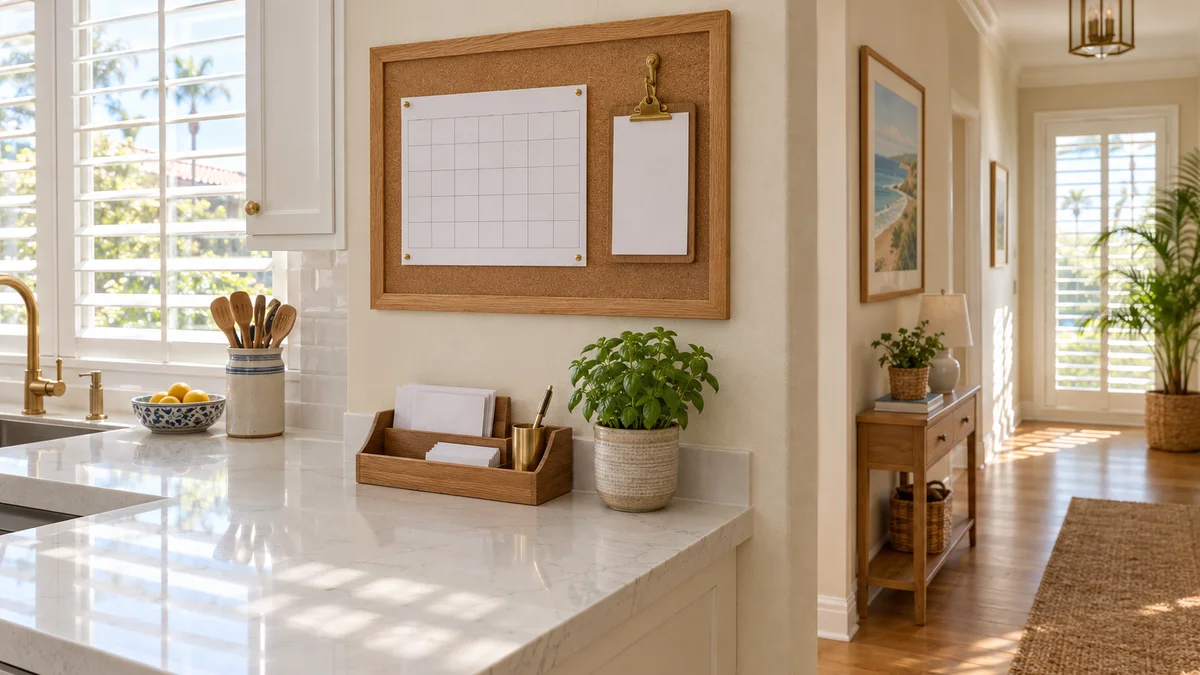
Because residents in an independent living home are independent adults with their own jobs, appointments and routines, post a short written summary on the kitchen or hallway bulletin board after the meeting and invite absent residents to text or drop a note if they have a repair request.
What topics should never be discussed in a group house meeting?
Never bring up an individual resident's rent ledger or late payment, personal medical or mental health details, reasonable accommodation requests under the Fair Housing Act, or a specific resident's lease warning. Always handle individual tenancy or privacy matters privately one-on-one.
Why review repairs and shared chores together each month?
California law splits upkeep between housing providers and residents: Civil Code Section 1941 requires the lessor to maintain a fit dwelling and repair dilapidations, while Civil Code Section 1941.2 requires residents to keep the parts of the premises they occupy and use clean and sanitary, dispose of rubbish properly, and use plumbing and electrical fixtures properly. Reviewing both sides in 20 minutes keeps the house in great shape.
Related reading
Sources
- Group Home Technical Advisory (2022), page 33, California Department of Housing and Community Development. Many, if not most, group homes do not require a state license.
- Adult Facility Types Licensed by CDSS, California Department of Social Services. Which homes need a state care license, such as an adult residential facility.
- California Civil Code Section 1941, Lessor's Duty to Maintain Fit Dwelling, California State Legislature. A California housing provider must put a building intended for human occupation in a condition fit for occupation and repair subsequent dilapidations that render it untenantable.
- California Civil Code Section 1941.2, Tenant's Affirmative Obligations, California State Legislature. California tenants have affirmative obligations to keep the part of the premises they occupy and use clean and sanitary, dispose of rubbish properly, and properly use electrical, gas and plumbing fixtures.
- California Civil Code Section 1954, Landlord's Right of Access, California State Legislature. When a California housing provider may enter a dwelling unit and the written notice required for non-emergency entry.
- Joint Statement on State and Local Land Use Laws and the Fair Housing Act, U.S. Department of Justice and U.S. Department of Housing and Urban Development. People in recovery are protected under the Fair Housing Act, and cities may have to grant reasonable accommodations to homes for them.
This article is general information, not legal advice. Confirm the landlord-tenant, fair-housing and licensing rules for your state, county and city with an attorney.
Running one shared home or a growing portfolio? Put your first house on the bed board free, with every feature, no card and no end date.