
Independent Living Home Guest, Parking and Quiet Hours Policy
How to write a guest, parking and quiet hours policy for an independent living home or shared housing: daytime visits, shared bedrooms, driveway rules and quiet enjoyment.
By Joseph Surgeon, founder of Royalty Group Homes, who runs independent living homes in Oceanside, California. · 10 min read
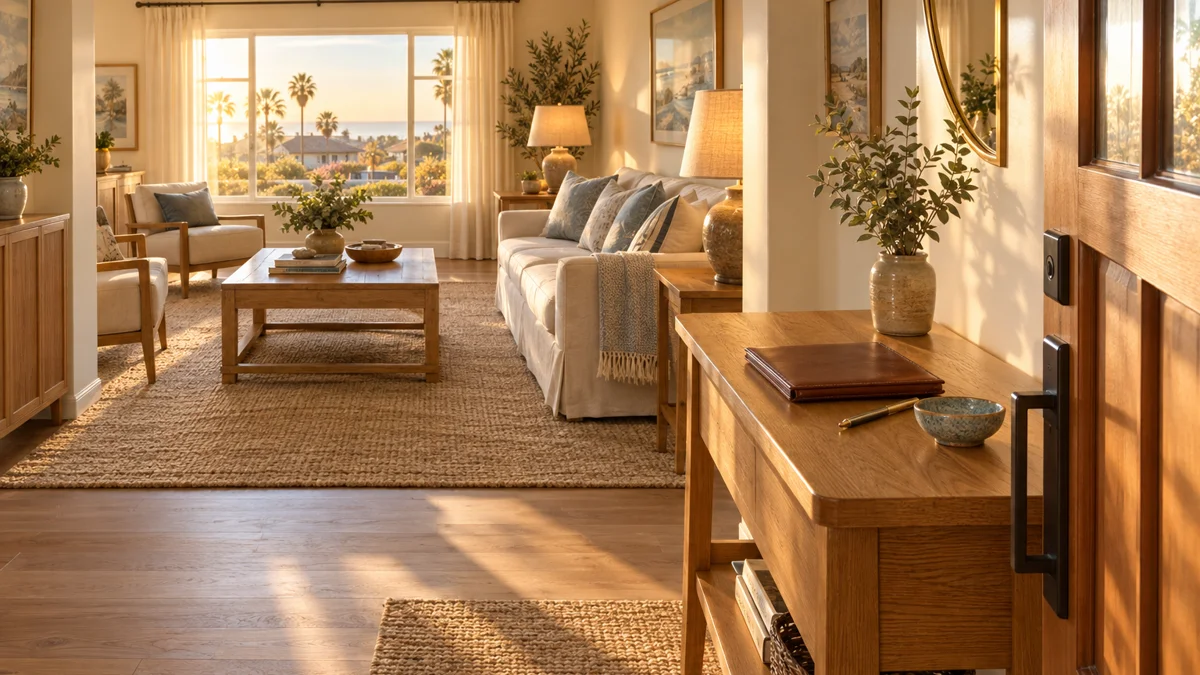
In a shared home where six to ten adults share a kitchen, living room, driveway and bathrooms — and often share a two-bed bedroom — the fastest way to lose a good, long-term resident is not a leaky faucet. It is a roommate whose unannounced guest sits on the other twin bed at 9:30 PM, a speaker playing in the kitchen at midnight, or a visitor's car blocking the driveway at 6:30 AM when someone needs to leave for work.
A clear, written guest, parking and quiet hours policy solves all three before anyone unpacks a suitcase. Attached as a signed addendum to your resident agreement and reviewed during resident intake, it protects every housemate's peace and privacy while keeping the house welcoming for daytime family and caseworker visits.
A note on scope. An independent living home, also called shared housing, rents rooms or beds to adults who live independently, with no care or supervision. In California, many, if not most, such homes do not need a state license. Unlike an Adult Residential Facility licensed by CDSS Adult Care Licensing, an independent living home does not restrict adults from coming and going, lock doors from the inside, or supervise visitors clinically. Its rules are ordinary residential property rules that protect shared living spaces and quiet enjoyment.
What belongs in a five-part guest, parking and quiet hours policy?
Whether you operate one shared house or four, your house rules should spell out five clear standards in plain English so residents, roommates and visitors never have to guess where the line sits.
1. Daytime visiting hours
Standard shared-home rule: Visitors welcome in common areas during set daytime hours (for example, 9:00 AM to 8:00 PM) with the host resident present at all times
Why it matters in shared housing: Lets residents host family, friends or case managers without turning the house into a late-night hangout
2. Shared bedroom privacy
Standard shared-home rule: Visitors stay in common areas (living room, dining table, backyard patio); no visitors or overnight guests inside shared bedrooms
Why it matters in shared housing: Protects a roommate's sleeping space, personal belongings and right to quiet possession
3. Quiet hours vs. free entry
Standard shared-home rule: Household quiet hours from 10:00 PM to 7:00 AM (headphones for audio, quiet kitchen use); residents may still enter and exit 24/7 with their key
Why it matters in shared housing: Guarantees restful sleep for housemates without imposing a clinical curfew on independent adults
4. Keys, mail and subletting
Standard shared-home rule: No duplicating house keys or sharing smart-lock codes; no guest mail delivery or storing guest belongings on site
Why it matters in shared housing: Prevents unauthorized occupancy and keeps bed-level tenancy boundaries clear
5. Driveway and street parking
Standard shared-home rule: Driveway spots assigned by bed/resident in writing; visitors park on the public street without blocking neighbor driveways, mailboxes or trash bins
Why it matters in shared housing: Prevents morning blocked-car disputes and maintains good neighbor relations on the block
How do California quiet possession and room privacy laws apply?
Three California statutes shape how an independent living operator writes and enforces guest and quiet-hours rules:
1. Quiet possession for every housemate (Civil Code Section 1927)
Under California Civil Code Section 1927, every rental agreement binds the housing provider to secure to the resident the quiet possession of the premises during the term of the tenancy. In a single-family rental, quiet possession mainly governs outside interference. In shared housing — where two adults rent beds A and B in the same room — securing quiet possession means enforcing fair household rules so one resident's guests, late-night noise, or clutter do not drive their roommate out of the bedroom they pay for.
2. Resident duties in common areas (Civil Code Section 1941.2)
Under California Civil Code Section 1941.2, residents have affirmative obligations to keep the part of the premises they occupy and use clean and sanitary, dispose of rubbish properly, and properly use plumbing, gas and electrical fixtures. Your guest policy should state plainly that a host resident is responsible for their visitor's conduct and for wiping down the dining table, washing any coffee mugs used, and taking out trash before the visit ends.
3. Operator entry into common areas vs. bedrooms (Civil Code Section 1954)
Operators and house managers can walk shared common areas — the entryway, living room, kitchen, hallways and driveway — as part of routine house oversight. However, under California Civil Code Section 1954, entering a resident's bedroom for a non-emergency inspection or repair requires reasonable advance written notice (24 hours is presumed reasonable) during normal business hours, unless there is an actual household emergency or the resident is present and consents at the time of entry.
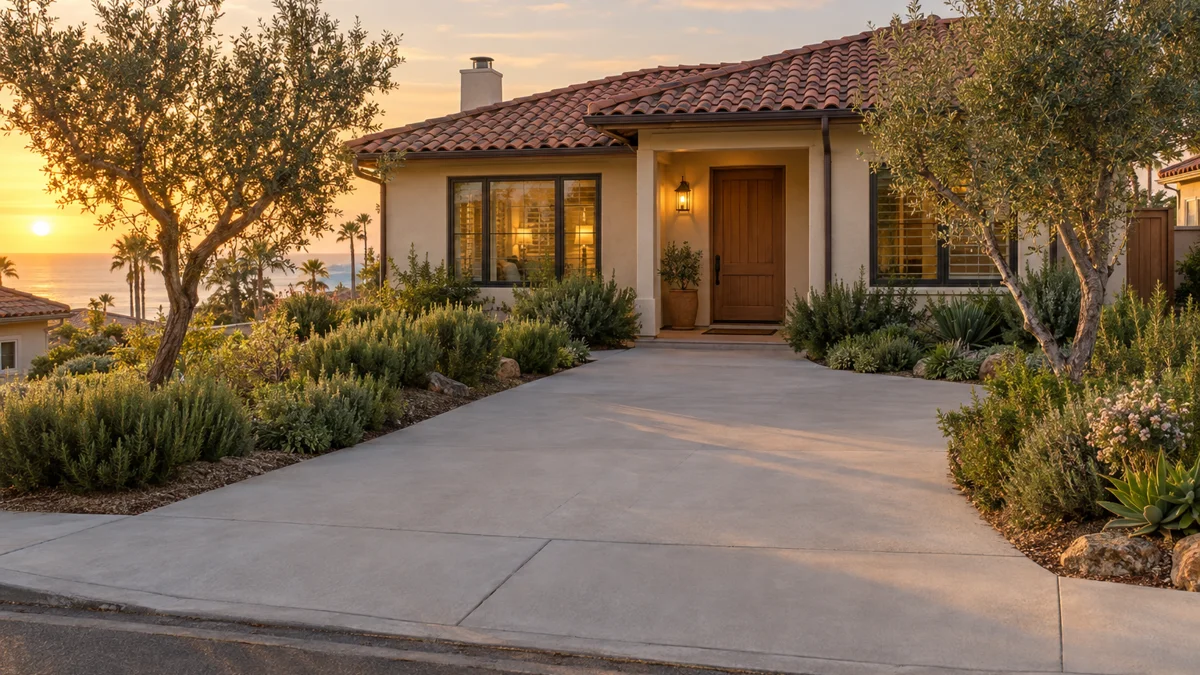
How do driveway and parking rules protect neighbor relations?
Federal guidance in the DOJ and HUD Joint Statement on State and Local Land Use Laws and the Fair Housing Act explains how the Fair Housing Act protects shared housing for people with disabilities from discriminatory zoning, while also recognizing that neutral residential standards and day-to-day property management matter on every residential street. Practically speaking, almost every neighborhood complaint about a shared home starts with parking, trash bins or front-yard noise — not what happens inside the dining room.
Include four concrete exterior rules in your signed resident agreement addendum and review them during your monthly house meeting:
- Assigned driveway spots only: Record which resident is assigned to Driveway Left or Driveway Right on the resident agreement. Never allow tandem double-parking that traps another housemate's vehicle.
- Operable, registered vehicles: Require any vehicle parked on the property to have current registration, insurance and a drip-free engine, with no mechanical repairs or oil changes performed in the driveway.
- Respect neighbor curbs: Ask residents and daytime visitors never to block a neighbor's driveway apron, mailbox approach, or trash/recycling carts on collection day.
- Backyard patio over front curb: Designate the backyard patio — not the front porch or front sidewalk — for outdoor phone calls and smoking or vaping (at least 20 feet from open windows and doors), and close outdoor patio gatherings at 10:00 PM when quiet hours begin.
How do you keep bed assignments, vehicle notes and agreements organized?
When someone parks an unrecognized car in the driveway or a roommate asks whether Bed B signed the updated house rules addendum, you should not have to dig through text threads to find the answer. Under California Civil Code Section 1962, housing providers must also keep clear written rental disclosures and provide a copy of the signed agreement within 15 days. Royalty Group Homes keeps your live bed board, resident contact records and house roster in one place so you always know who occupies every bed across every house.
Your first house is free with every feature; two or three houses are $99 a month, and four or more are $199 a month.
Frequently asked questions
Why do shared bedrooms need stricter visitor rules than private apartments?
In a shared two-bed room, two adults share the same sleeping space, closet area and bathroom schedule. Allowing daytime visitors or overnight guests inside a shared bedroom directly infringes on the roommate's privacy and quiet possession under California Civil Code Section 1927. Limiting daytime visitors to shared common areas — the living room, dining room and backyard patio — lets residents welcome family or friends without displacing a roommate.
What is the difference between quiet hours and a clinical curfew?
Quiet hours (such as 10:00 PM to 7:00 AM) are a standard residential courtesy rule: residents may still come and go from work, family events or errands at any hour using their own house key, provided they keep voices, TVs, phones and doors quiet so sleeping housemates are not disturbed. A mandatory lock-in curfew where staff monitor or restrict adult movement is a supervision practice associated with treatment or licensed care, not independent shared housing.
How do guest limits prevent an unauthorized subtenancy from forming?
When an unapproved guest stays overnight repeatedly, leaves personal belongings in a bedroom, receives mail at the house address, or uses the laundry and kitchen daily, it creates confusion over occupancy and bed-level rent obligations. Clear written limits on visiting hours, a prohibition on duplicating house keys, and a rule that only signed residents on the bed board may occupy a bed keep tenancy boundaries unambiguous.
Can a case manager or family member visit a resident at an independent living home?
Yes. Daytime visiting hours (for example, 9:00 AM to 8:00 PM) give residents a welcoming window to meet with family members, VA or hospital caseworkers, or representative payees at the dining table or patio while keeping shared bedrooms private for roommates.
How should driveway and street parking be assigned in a shared home?
Assign numbered driveway spots in writing on the resident's move-in agreement so no car is ever parked behind another without a coordinate plan, require all parked vehicles to hold current registration, insurance and non-leaking condition, and remind residents and visitors never to block neighbor driveways, mailboxes or curb trash bins.
Related reading
Sources
- Group Home Technical Advisory (2022), page 33, California Department of Housing and Community Development. Many, if not most, group homes do not require a state license.
- Adult Facility Types Licensed by CDSS, California Department of Social Services. Which homes need a state care license, such as an adult residential facility.
- California Civil Code Section 1927, Quiet Possession, California State Legislature. An agreement to let upon hire binds the housing provider to secure to the resident the quiet possession of the premises during the term of the hiring.
- California Civil Code Section 1941.2, Tenant's Affirmative Obligations, California State Legislature. California tenants have affirmative obligations to keep the part of the premises they occupy and use clean and sanitary, dispose of rubbish properly, and properly use electrical, gas and plumbing fixtures.
- California Civil Code Section 1954, Landlord's Right of Access, California State Legislature. When a California housing provider may enter a dwelling unit and the written notice required for non-emergency entry.
- California Civil Code Section 1962, Required Rental Agreement Disclosures, California State Legislature. California residential rental agreements must disclose the manager and owner names, phone numbers and street addresses for service, how and to whom rent is paid, and provide a copy of the signed agreement within 15 days.
- Joint Statement on State and Local Land Use Laws and the Fair Housing Act, U.S. Department of Justice and U.S. Department of Housing and Urban Development. People in recovery are protected under the Fair Housing Act, and cities may have to grant reasonable accommodations to homes for them.
This article is general information, not legal advice. Landlord-tenant, fair housing and local parking rules vary by jurisdiction; have a qualified California housing attorney review your resident agreement and house rules addendum.
Want a clean bed board and resident roster for every house in your portfolio? Put your first house on the bed board free, with every feature, no card and no end date.