
Independent Living Home Shared Kitchen and Food Storage Rules
How to organize a shared kitchen in an independent living home or shared housing: labeled fridge and pantry bins, USDA 40°F rules, dish turnaround and bedroom appliance bans.
By Joseph Surgeon, founder of Royalty Group Homes, who runs independent living homes in Oceanside, California. · 10 min read
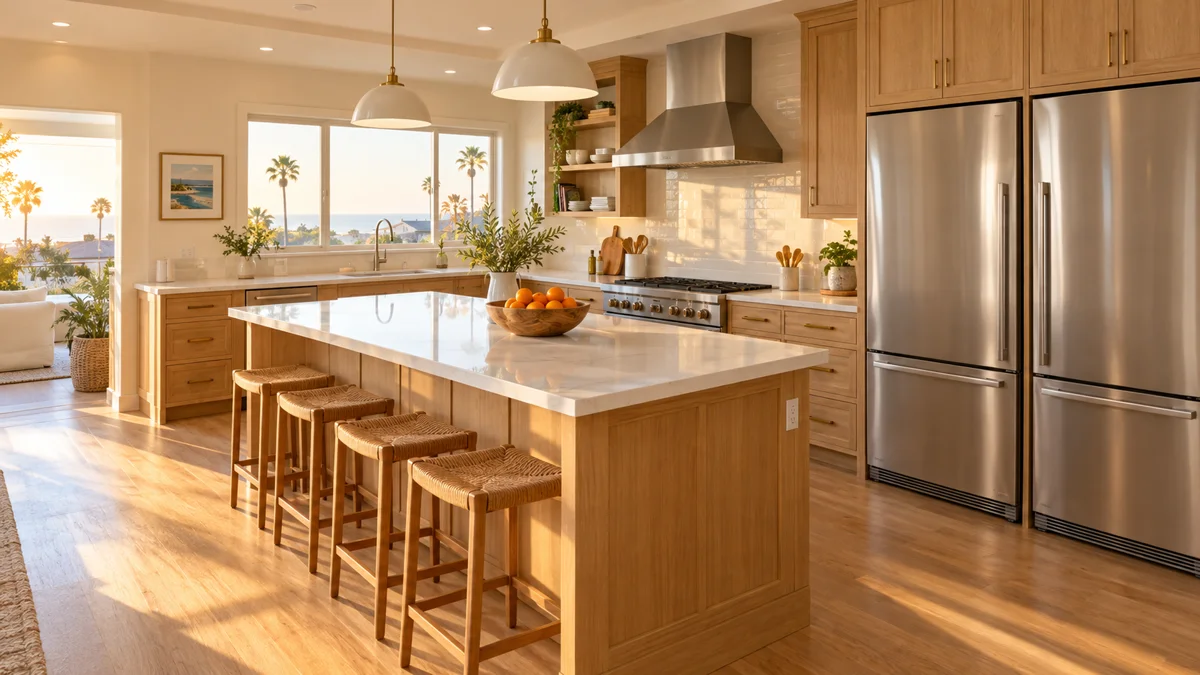
In an independent living home where six to ten adults each buy and cook their own food, the kitchen works harder than any other room in the house. When every resident knows exactly which refrigerator bin and pantry basket belongs to their bed — and when dishes are washed within 30 minutes of eating — the kitchen stays a calm, welcoming gathering spot. When shelves are unlabelled and pans sit in the sink overnight, even the most easygoing housemates get frustrated.
A one-page shared kitchen and food storage policy, attached to your resident agreement and walked through on day one of resident intake, prevents 90 percent of kitchen friction before it starts.
A note on scope. An independent living home, also called shared housing, rents rooms or beds to adults who live independently, with no care or supervision. In California, many, if not most, such homes do not need a state license. Unlike an Adult Residential Facility licensed by CDSS Adult Care Licensing, where the operator provides regulated meal service and supervision, residents in an independent living home buy, store and prepare their own meals in a shared residential kitchen.
What belongs in a five-part shared kitchen and food storage policy?
Post these five standards on the inside of the pantry door and include them in your house rules checklist so every resident and house manager follows the same playbook:
1. Assigned fridge & pantry bins
Standard shared-home rule: Every bed is assigned one labeled refrigerator bin, one freezer bin and one dry-pantry basket matching the bed number (for example, Room B - Bed 1)
Why it keeps the house running smoothly: Eliminates missing-food disputes and prevents one resident from crowding out housemates
2. 30-minute dish & counter reset
Standard shared-home rule: Wash, dry and put away pots, pans, plates and utensils within 30 minutes of cooking; wipe down stove grates, microwave interior and counters after every meal
Why it keeps the house running smoothly: Leaves the sink and stove ready for the next housemate and prevents grease build-up
3. Weekly Sunday fridge clean-out
Standard shared-home rule: Date cooked leftovers with painter's tape; discard cooked leftovers older than 4 days and wipe shelves with warm soapy water every Sunday evening
Why it keeps the house running smoothly: Follows USDA food-safety guidance, stops odors and keeps refrigerators at or below 40 °F
4. Stovetop & quiet-hours cooking
Standard shared-home rule: Never leave an active burner, oven or toaster unattended; limit heavy meal prep during household quiet hours (10:00 PM to 7:00 AM) to quiet reheating
Why it keeps the house running smoothly: Prevents kitchen smoke alarms at midnight and protects sleeping roommates nearby
5. No cooking appliances in bedrooms
Standard shared-home rule: Keep all cooking and food prep in the kitchen; no hotplates, toaster ovens, air fryers, space heaters or unsealed food inside shared bedrooms
Why it keeps the house running smoothly: Prevents tripped breakers, fire hazards and ant or rodent issues in sleeping areas
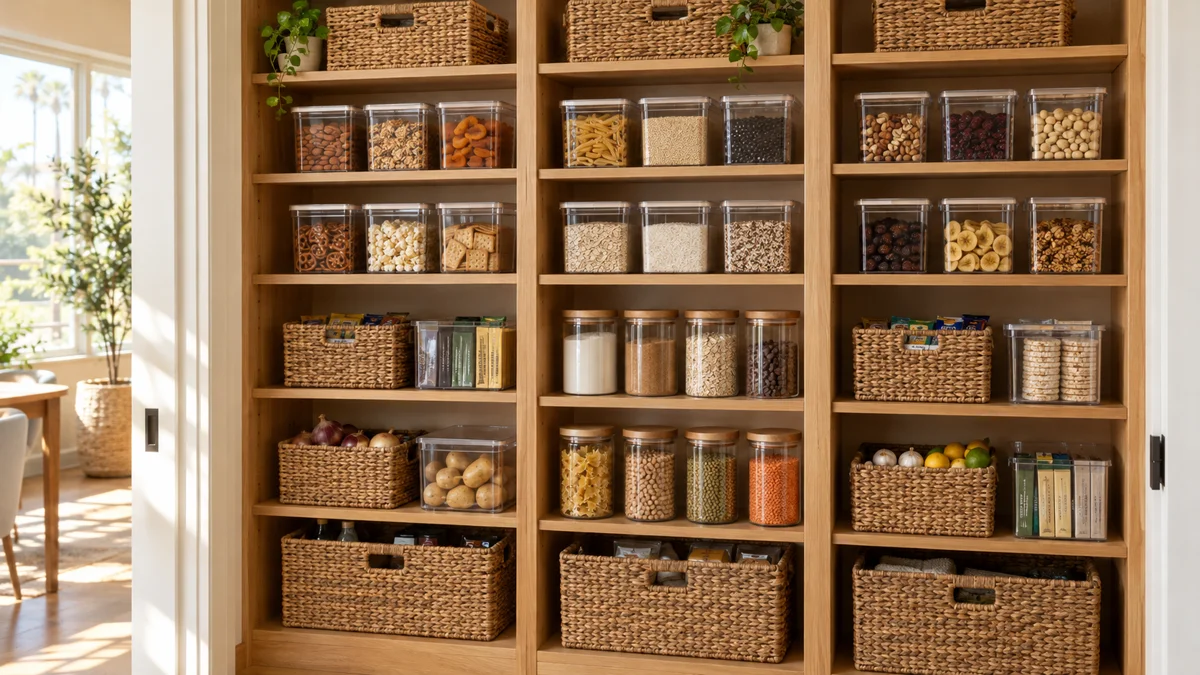
How do USDA refrigeration and food-safety standards apply to shared fridges?
When four or five adults share a refrigerator, overstuffed shelves and propped-open doors can quickly push internal temperatures above safe limits. Federal food-safety guidance from the USDA Food Safety and Inspection Service (FSIS) gives operators four objective rules to post on the refrigerator door:
- Maintain 40 °F or below with a thermometer: USDA FSIS notes that bacteria grow rapidly between 40 °F and 140 °F (the “Danger Zone”). Keep an appliance thermometer on the middle shelf of each shared refrigerator to verify it stays at 40 °F or below, especially during summer heat waves or power outages.
- Seal raw meats on lower shelves: Require raw meat, poultry and seafood to be stored in sealed containers or leak-proof bags inside the resident's bin so juices never drip onto another housemate's produce.
- Four-day rule for cooked leftovers: Per USDA FSIS storage guidelines, cooked leftovers should be eaten or discarded within three to four days (and raw ground meat or poultry within one to two days unless frozen). Keeping a roll of blue painter's tape and a marker on the fridge door makes it easy for residents to write their bed code and date on leftover containers.
- Soap-and-water wipe-downs and baking soda: Wipe spills immediately with hot, soapy water, place an open box of baking soda on a shelf to absorb odors, and vacuum dust from the lower condenser grill several times a year during your house furnishing and appliance upkeep.
How do California habitability and fire-safety laws apply to shared kitchens?
Four California statutes back up your shared-kitchen and appliance rules:
1. Operator habitability duties (Civil Code Section 1941.1)
Under California Civil Code Section 1941.1, a residential dwelling must maintain hot and cold running water, working plumbing and drainage, safe electrical lighting and wiring in good working order, and clean, sanitary building and grounds free from debris, filth, rubbish, garbage, rodents and vermin. Providing two working refrigerators, covered trash and recycling bins, and pest-free pantry storage is part of keeping the property habitable.
2. Resident cleanliness and fixture obligations (Civil Code Section 1941.2)
Under California Civil Code Section 1941.2, every resident has an affirmative statutory obligation to keep the part of the premises they occupy and use clean and sanitary, dispose of all rubbish and garbage in a clean and sanitary manner, and properly use electrical, gas and plumbing fixtures (including never pouring cooking grease down the kitchen sink drain).
3. Smoke alarms, carbon monoxide devices and fire extinguishers (HSC 13113.7 & 17926)
Under California Health and Safety Code Section 13113.7 and Section 17926, maintain State Fire Marshal-approved smoke alarms and carbon monoxide devices (where gas ranges, water heaters or furnaces are present), pair them with a wall-mounted ABC kitchen fire extinguisher, and test them during your monthly maintenance and safety walk-through.
How do you match every fridge and pantry bin to your live bed board?
The easiest way to label refrigerator bins and pantry baskets is by permanent bed code — such as Room A - Bed 1 and Room A - Bed 2 — rather than writing residents' names on tape that peels off every time someone moves out or transfers beds. Royalty Group Homes keeps your live bed board, room and bed codes, and resident roster in one place so you always know which resident is assigned to every bed and storage zone.
Your first house is free with every feature; two or three houses are $99 a month, and four or more are $199 a month.
Frequently asked questions
How many refrigerators does an independent living home need?
A standard single-family refrigerator is built for three or four people. Once a shared home houses six to ten independent adults who each buy their own groceries, install two full-size refrigerators side by side (no more than four to five residents per refrigerator) so air circulates properly and every bed gets a dedicated shelf bin.
What temperature should shared refrigerators be kept at?
Under USDA Food Safety and Inspection Service (FSIS) guidelines, refrigerators should be maintained at 40 °F or below to stay out of the 40 °F to 140 °F bacterial Danger Zone. Place an inexpensive appliance thermometer inside each refrigerator and check it during your weekly kitchen walk-through.
Why should hotplates, toaster ovens and unsealed food be banned inside shared bedrooms?
Cooking appliances in bedrooms overload branch circuits and create fire hazards, while open food containers attract ants and rodents. Under California Civil Code Section 1941.1, a housing provider must maintain clean, sanitary premises free from rodents and vermin, and under Civil Code Section 1941.2, residents have an affirmative obligation to keep their living space clean and use electrical and gas fixtures properly.
How do you run a weekly refrigerator clean-out without throwing away a resident's good groceries?
Set a fixed weekly time (for example, Sunday at 6:00 PM) listed in the signed house rules addendum. Ask residents to date cooked leftovers with painter's tape and a marker. Following USDA FSIS storage guidelines, cooked leftovers older than four days, visibly spoiled items, and open spills are cleared out during the Sunday check while sealed, in-date items inside each resident's assigned bin stay untouched.
Does an independent living home provide three daily meals like a licensed board-and-care home?
No. Providing prepared daily meals, dietary supervision and personal care is a hallmark of a licensed Adult Residential Facility regulated by the California Department of Social Services. In an independent living home or shared house, independent adults purchase, store and prepare their own meals in the shared kitchen.
Related reading
Sources
- Group Home Technical Advisory (2022), page 33, California Department of Housing and Community Development. Many, if not most, group homes do not require a state license.
- Adult Facility Types Licensed by CDSS, California Department of Social Services. Which homes need a state care license, such as an adult residential facility.
- Refrigeration and Food Safety, U.S. Department of Agriculture, Food Safety and Inspection Service. Refrigerators should be maintained at 40 °F or below with an appliance thermometer, spills wiped immediately, and perishable leftovers reviewed weekly (4 days for cooked leftovers; 1 to 2 days for raw poultry and ground meats).
- California Civil Code Section 1941.1, Untenantable Dwelling Characteristics, California State Legislature. Minimum habitability standards for California residential dwellings, including weatherproofing, plumbing, hot and cold water, heating, electrical, clean premises, and working floors, stairs and railings.
- California Civil Code Section 1941.2, Tenant's Affirmative Obligations, California State Legislature. California tenants have affirmative obligations to keep the part of the premises they occupy and use clean and sanitary, dispose of rubbish properly, and properly use electrical, gas and plumbing fixtures.
- California Health and Safety Code Section 13113.7, Smoke Alarms in Dwellings, California State Legislature. State Fire Marshal-approved smoke alarms are required in California dwellings intended for human occupancy, and owners of rented dwellings must test and maintain them and ensure they are operable when a new tenancy begins.
- California Health and Safety Code Section 17926, Carbon Monoxide Devices, California State Legislature. Owners of California dwelling units intended for human occupancy with a fossil-fuel-burning heater or appliance, fireplace, or attached garage must install State Fire Marshal-approved carbon monoxide devices.
This article is general information, not legal or health-department advice. Confirm local housing, fire and sanitation requirements with your city or county and have a qualified California housing attorney review your resident agreement and house rules.
Want a clean bed board that maps every room, bed and resident across your houses? Start free with one house — every feature included, no card and no end date.