
Independent Living Home Mail, Package Delivery and Address Use Rules
How to manage resident mail, packages and address changes in an independent living home or shared housing: 18 U.S.C. 1702 mail privacy, USPS forwarding and move-out.
By Joseph Surgeon, founder of Royalty Group Homes, who runs independent living homes in Oceanside, California. · 10 min read
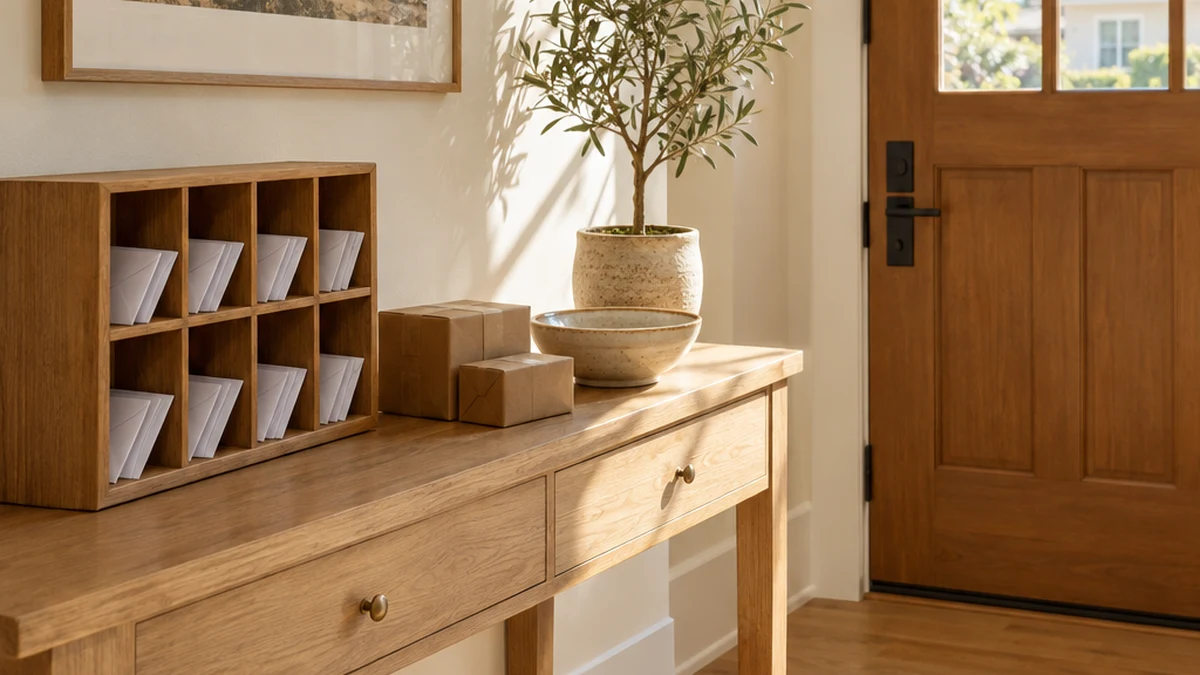
In a single-family house shared by six to ten adults, the front mailbox and porch carry a surprising amount of daily traffic: Social Security and VA letters, replacement debit cards, medical appointment notices, and everyday parcel deliveries. Without a structured mail and package routine, envelopes end up stacked on the dining table, porch boxes block the front walkway, and former residents' mail piles up for months after room turnover.
Putting a clear, one-page mail, package and address-use policy inside your house rules addendum protects every resident's privacy, prevents lost letters, and gives your house manager a five-minute daily sorting routine.
A note on scope. An independent living home, also called shared housing, rents rooms or beds to adults who live independently, with no care or supervision. In California, many, if not most, such homes do not need a state license. Unlike an Adult Residential Facility licensed by CDSS Adult Care Licensing, where facility staff may receive, log and store centrally administered medications or personal records under state care regulations, every resident in an independent living home receives and opens their own mail and packages independently.
What belongs in a five-part mail and package delivery policy?
Review these five standards during resident intake so every housemate knows how mail, packages and address changes work from move-in through move-out:
1. Authorized address use
Standard shared-home rule: Only active residents with a signed resident agreement may receive USPS mail or parcel deliveries at the property street address; guests and non-residents may not use the address
Operational purpose: Prevents unauthorized residency claims and keeps the mailbox limited to current housemates
2. Daily mail sorting into bed cubbies
Standard shared-home rule: Incoming mail is retrieved from the locking street mailbox once daily and placed unopened into each resident's assigned indoor mail slot (labeled by room and bed code)
Operational purpose: Eliminates loose stacks of mail on kitchen counters and protects sensitive letters
3. Strict mail privacy (18 U.S.C. 1702)
Standard shared-home rule: Residents only touch mail in their own slot; no operator, house manager or roommate may ever open, hide or discard mail addressed to another person
Operational purpose: Complies with federal postal law and builds trust among housemates
4. Porch packages & delivery instructions
Standard shared-home rule: Move delivered boxes from the front porch to the indoor package shelf promptly; schedule deliveries during daytime hours and break down cardboard boxes flat for recycling
Operational purpose: Reduces porch theft, keeps emergency exits clear and prevents overflowing trash bins
5. Move-out USPS Change of Address
Standard shared-home rule: Departing residents file a USPS Change of Address and update senders directly at move-out; any lingering mail for former residents is marked 'Not at this address — Return to Sender'
Operational purpose: Stops old mail from accumulating after bed turnover without violating federal mail rules
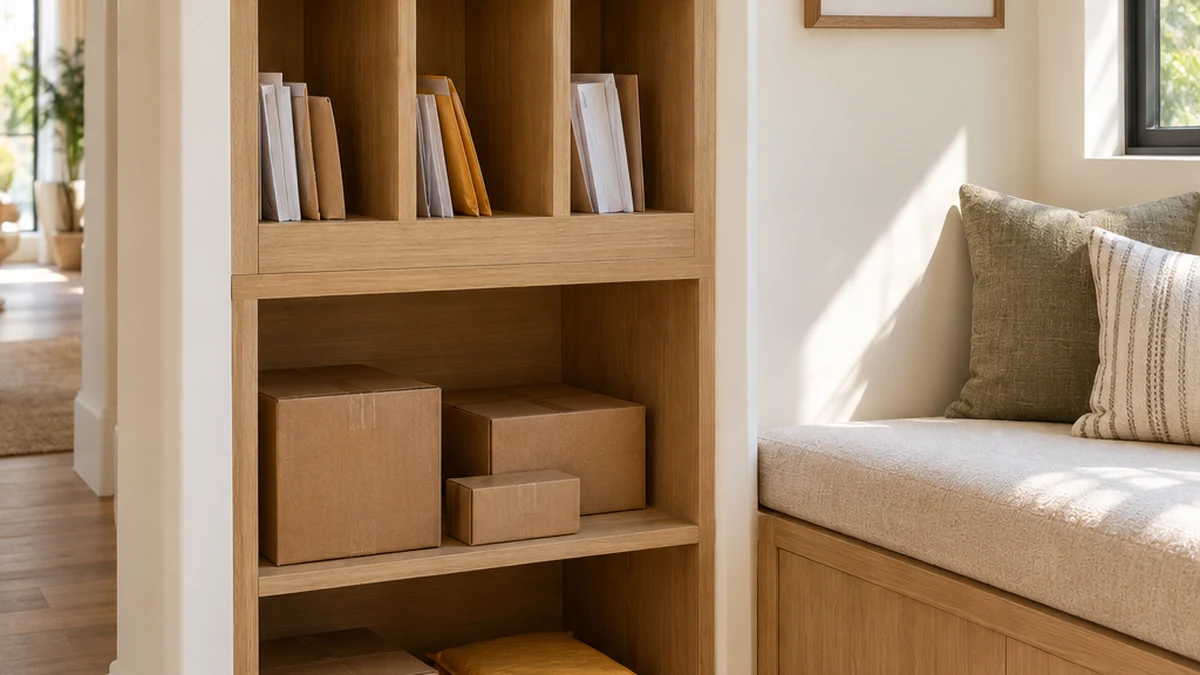
How does federal mail privacy law (18 U.S.C. Section 1702) apply in shared housing?
Because a shared single-family home typically has one USPS street mailbox rather than individual apartment cluster boxes, incoming letters for the entire household arrive together. Federal law under 18 U.S.C. Section 1702 (Obstruction of Correspondence) prohibits taking any letter, postal card or package out of an authorized mail depository before it has been delivered to the person to whom it was directed with design to obstruct correspondence or pry into another person's business or secrets, or opening, secreting, embezzling or destroying it.
To keep daily mail handling safe and compliant across a six- to ten-bed home:
- Sort unopened mail into individual bed cubbies: Mount an eight- to ten-slot wooden sorter in the front hallway labeled by permanent bed code (Room 1 - Bed A through Room 4 - Bed B). When the mail arrives, place each sealed envelope directly into the addressee's cubby.
- Never hold mail as leverage over house rules or rent: Even if a resident is behind on monthly rent or in the middle of a roommate dispute, withholding their mail or packages is strictly off-limits under 18 U.S.C. Section 1702.
- Keep Representative Payee mail separate from operator duties: If a resident has an appointed payee under the Social Security Administration Representative Payment Program, official SSA benefit notices are addressed to the representative payee. Any personal mail addressed to the resident at the house belongs strictly to the resident.
- Disclose official notice addresses in the rental agreement: Under California Civil Code Section 1962, your resident agreement must state the name, telephone number and usual street address at which personal service may be effected on the owner or authorized manager, so formal landlord-tenant notices never get mixed into resident mail slots.
How should you handle mail forwarding when a resident moves out?
Former residents' mail is one of the most common clutter points in shared housing. According to United States Postal Service (USPS) Forwarding Mail guidelines, a resident who moves must submit a Change of Address request and complete USPS identity verification (either online or in person with photo ID at a Post Office location). Once approved, USPS advises allowing 7 to 10 business days for mail rerouting to go into effect, after which First-Class Mail is forwarded piece by piece to the new address for 12 months.
Three steps to include on your move-out checklist
- Prompt the resident to file their USPS Change of Address before departure: Include the USPS Change of Address reminder on your room turnover checklist and remind the resident to update their address directly with the Social Security Administration, VA, banks and health plans.
- Record a forwarding address for the 21-day deposit statement: Collect the departing resident's new mailing address (or written email preference) on your move-out form so you can deliver their itemized security-deposit accounting on time.
- Return stray mail properly during the 7-to-10-day transition window: Keep a dedicated “Outgoing / Return to Carrier” slot at the end of the mail sorter. If First-Class letters arrive for someone who has already vacated, write “Not at this address — Return to Sender” on the unopened envelope and hand it back to the USPS carrier or place it in outgoing mail — never throw it away.
How do you keep mail cubby assignments and forwarding addresses tied to your bed board?
When your indoor mail sorter is labeled by permanent room and bed code — matching the exact bed codes on your kitchen fridge bins and bathroom cubbies — incoming residents automatically know which mail slot is theirs at move-in. Royalty Group Homes keeps your live bed board, resident contact records and move-out notes in one place across every house in your portfolio.
Your first house is free with every feature; two or three houses are $99 a month, and four or more are $199 a month.
Frequently asked questions
How should incoming mail be sorted in a shared house with one street mailbox?
Use a locking residential street mailbox or porch drop box to protect incoming mail from porch theft, and have the operator or house manager sort unopened letters once daily into an indoor mail organizer labeled by permanent room and bed code (such as Room 1 - Bed A). Each resident collects only the mail in their own cubby.
Can an operator, house manager or roommate open or throw away another resident's mail?
No. Under 18 U.S.C. Section 1702 (Obstruction of Correspondence), taking, opening, hiding or destroying a letter, postal card or package addressed to another person before it has been delivered to that addressee is a federal offense. Even junk mail or mail addressed to a former resident must never be opened or thrown in the trash by anyone other than the addressee.
What should we do when mail keeps arriving for a resident who moved out?
Ask every departing resident during their move-out walkthrough to submit a permanent Change of Address with the United States Postal Service (USPS) and update their address directly with government agencies, banks and health plans. Because USPS forwarding takes 7 to 10 business days to activate and covers First-Class Mail piece by piece, write 'Not at this address — Return to Sender' on any unforwarded mail for former residents and place it back in the outgoing mailbox.
Can non-residents or guests use the house address to receive mail or packages?
No. State clearly in your resident agreement and house rules addendum that only current residents on a signed agreement may use the property address for USPS mail, package deliveries, or government and banking records. Allowing non-residents to receive mail at the house creates confusion and tenancy disputes.
Does an independent living home open resident benefit letters or hold mail-order medications?
No. In an independent living home or shared house, residents are independent adults who open their own mail and manage their own personal medications. Medication custody belongs to licensed care facilities regulated by the California Department of Social Services, and Social Security Representative Payee notices are sent directly to the appointed payee under Social Security Administration rules.
Related reading
Sources
- Group Home Technical Advisory (2022), page 33, California Department of Housing and Community Development. Many, if not most, group homes do not require a state license.
- Adult Facility Types Licensed by CDSS, California Department of Social Services. Which homes need a state care license, such as an adult residential facility.
- 18 U.S.C. Section 1702, Obstruction of Correspondence, U.S. Government Publishing Office. Federal law prohibiting anyone from taking a letter, postal card, or package from an authorized mail depository or carrier before it has been delivered to the addressee with design to obstruct correspondence or pry into another person's business or secrets, or opening, secreting, embezzling, or destroying it.
- Forwarding Mail and Change of Address, United States Postal Service (USPS). USPS Change of Address rules requiring identity verification, allowing 7 to 10 business days for mail rerouting to take effect, forwarding First-Class Mail piece by piece for 12 months, and reminding movers to update their address directly with government agencies and senders.
- California Civil Code Section 1962, Required Rental Agreement Disclosures, California State Legislature. California residential rental agreements must disclose the manager and owner names, phone numbers and street addresses for service, how and to whom rent is paid, and provide a copy of the signed agreement within 15 days.
- Representative Payment Program, Social Security Administration. SSA appoints representative payees to receive and manage Social Security or SSI payments for beneficiaries who cannot manage them directly, and requires payees to keep spending records.
This article is general information, not legal advice. Confirm federal postal rules with the United States Postal Service and have a qualified California housing attorney review your resident agreement and house rules.
Want a clean bed board that keeps every room, bed and resident roster organized from move-in through move-out? Start free with one house — every feature included, no card and no end date.